Many children face challenges in math, but with the right support, every student can grow their skills and confidence. Keep reading to learn more about math help resources that can support children.
Online math homework help for parents and kids can make practicing math easier, more engaging, and less stressful. Tools like Prodigy offer a game-based learning platform that helps children build math skills at their own pace while giving parents and teachers insights to support learning at home.
Online math homework help includes digital tools and platforms that guide students in completing and understanding math assignments. Prodigy is a free, curriculum-aligned platform for students in Grades 1–8, used by families and educators across Canada and the United States. Its adaptive technology tailors questions to each child’s learning level, while a connected parent dashboard allows adults to monitor progress and reinforce skills in a fun, interactive way.
Educational research supports the benefits of interactive, game-based learning. By combining curriculum-aligned math challenges with engaging gameplay, Prodigy encourages students to stay motivated, practice more consistently, and approach learning with confidence. Integrating Prodigy with real-world examples or hands-on activities can make math feel like an adventure, helping children develop skills and a positive mindset toward learning that extends beyond the classroom.
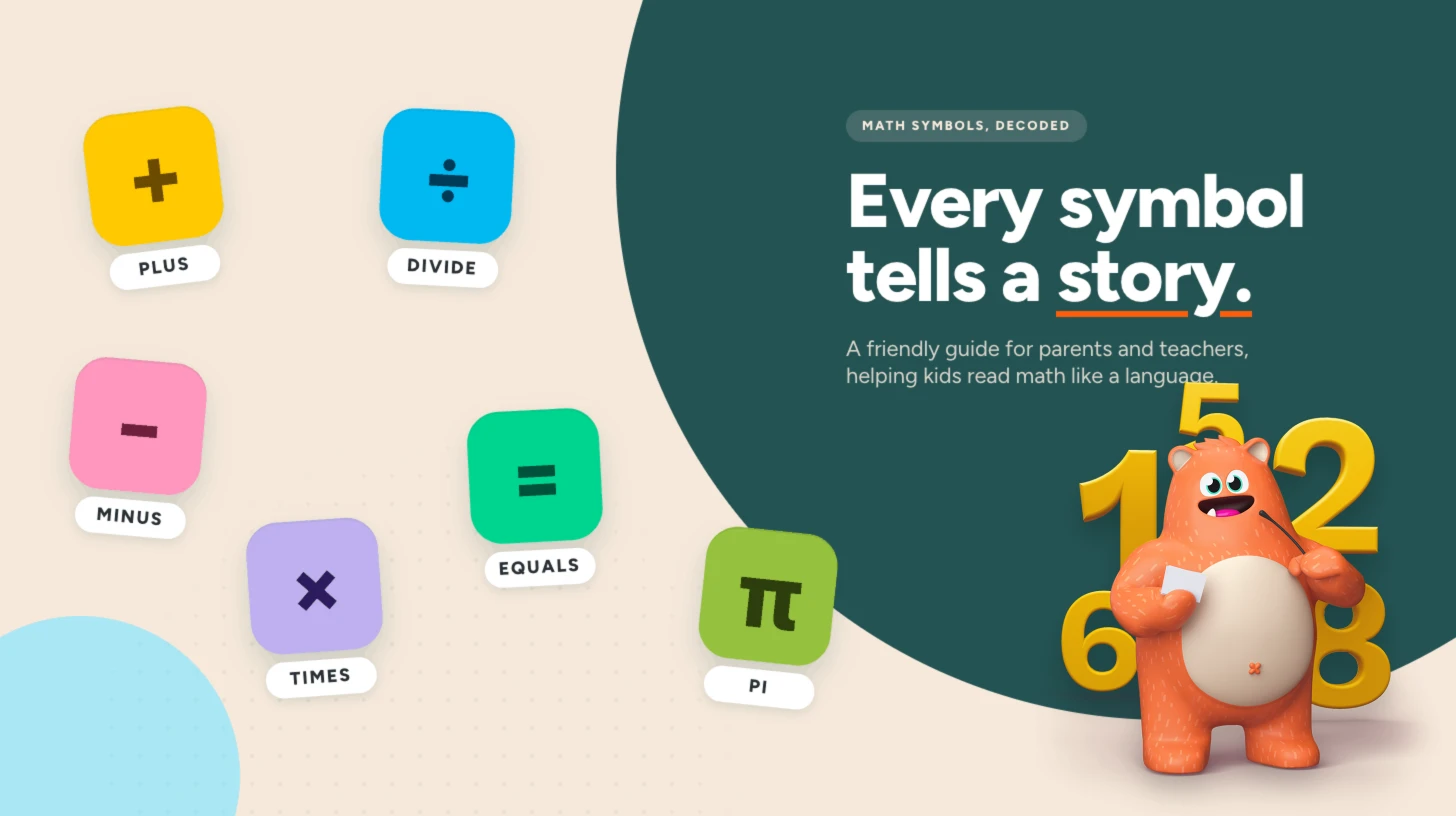





Math can be challenging for many kids and sometimes frustrating for parents trying to help with homework. From tricky word problems to unfamiliar strategies, it’s not always easy to bridge the gap between classroom learning and at-home support. That’s where online math help can make a difference.
With tools like Prodigy, students receive personalized support in a format that feels more like play than traditional homework. These platforms offer a convenient, engaging way to reinforce key skills, allowing kids to learn at their own pace—anytime, anywhere. For busy families, this can mean less stress, smoother homework sessions, and greater confidence for students.
Whether your child is practicing basic addition or exploring more advanced concepts, online math support provides structure, motivation, and clear progress tracking from the comfort of home. It’s a modern solution that helps kids stay engaged, develop skills, and enjoy learning math in today’s digital world.
When it comes to supporting your child’s math learning, there’s no one-size-fits-all solution. Fortunately, a variety of online resources make it easier than ever to find the right fit for your child’s needs, schedule, and learning style. Here’s a look at some of the most common types of online math help:
Whether you prefer a tutor’s personal guidance or the independence of an AI-powered platform, there’s a solution to support your child’s math journey. For younger learners, Prodigy’s guide to math help for first graders is a great place to start.
Not all math help tools are created equal, and choosing the right one can have a lasting impact on your child's learning experience. Whether you're looking into live tutoring, a learning app, or an online platform, it's important to evaluate your options carefully to ensure they meet your child's needs and learning style. Here are the key features to consider:
The right math help resource can help transform frustration into growing confidence, and Prodigy offers a playful, engaging way to support that journey. Designed as an adventure game, it’s easy for kids to navigate, provides timely feedback to guide learning, and is aligned with many local curricula to help reinforce classroom skills. With Prodigy, practice can feel more like play, and “I can’t do this” may start to shift toward “I’ve got this!”
How you use online math tools can make a big difference in your child’s learning. To get the most out of each session, start by preparing questions in advance. Whether it’s a tricky word problem or a concept that needs extra practice, having specific questions ready helps focus the session.
Time management is also important. Set regular study sessions and stick to them, even when there isn’t immediate homework. This helps prevent last-minute cramming and supports long-term understanding.
Finally, remember that online help is meant to support—not replace—independent learning. Encourage your child to try solving problems on their own before turning to a tutor or tool. This balance strengthens problem-solving skills and builds confidence.
Being intentional about how you use online math resources can make each session more effective and rewarding. For more guidance, check out Prodigy's tips for math help for kids.
Behind every confident math learner is a strong support system—one that provides encouragement, structure, and the right tools at the right time. Whether your child needs a quick boost on a tricky assignment or ongoing support to strengthen foundational skills, the guidance you offer plays a key role in building academic confidence and success.
Online math platforms can help bridge the gap between school and home, offering personalized learning experiences that adapt to each child’s pace. From interactive lessons to real-time feedback, these tools are designed to keep kids engaged, motivated, and steadily progressing.
Now is a great time to explore math help resources that fit your family’s schedule, learning goals, and curriculum. With the right support, math doesn’t have to feel like a daily struggle—it can become a source of growth and pride.
Take the next step toward stress-free homework and stronger math skills by checking out this guide on overcoming homework challenges for parents. Discover how to make learning math more manageable, engaging, and enjoyable for everyone involved.


